
 Deutsch
 English

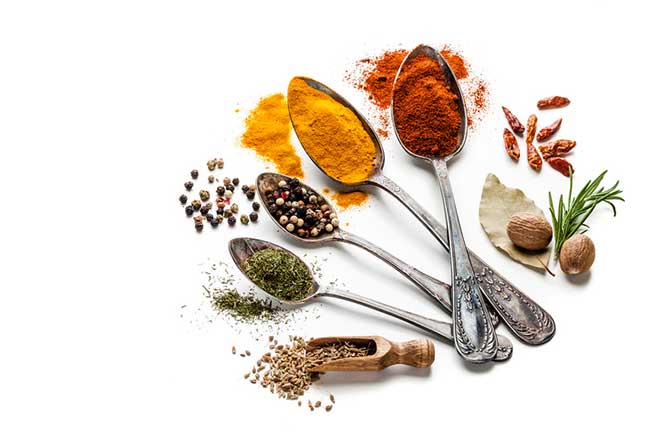
Turkey sits at the crossroads of continents — and at the heart of the world’s spice trade for over 3,000 years. From the ancient Silk Road caravans that passed through Anatolia to today’s containerized exports from the port of Mersin, Turkish spices have shaped global cuisine and commerce in ways few other products can claim.
As a Turkish spice exporter with over two decades of experience, BF Spices is proud to continue this centuries-old tradition from our modern, certified facility in Bursa.
Ancient Roots: Spices in Anatolian Civilization
The story of Turkish spices begins in antiquity. Archaeological evidence shows that bay laurel (Laurus nobilis) was cultivated and traded in Anatolia as early as 1,000 BC. The ancient Greeks and Romans considered bay leaves sacred — laurel wreaths crowned victorious athletes and emperors alike.
Anatolia’s position between the Mediterranean Sea, the Black Sea, and the vast Asian interior made it a natural hub for spice trade routes. Cities like Ephesus, Antioch, and Constantinople became major spice trading centers, connecting Eastern producers with Western consumers.
Key spices traded through ancient Anatolia included:
- Bay leaves (defne yaprağı) — wild-harvested from the Aegean and Mediterranean forests
- Thyme (kekik) — collected from the mountainous interior regions
- Oregano (mercanköşk) — abundant in western and southern Turkey
- Saffron, cumin, and black pepper — transiting through Anatolian trade routes from further east
The Ottoman Spice Legacy
The Ottoman Empire (1299–1922) elevated Turkey’s role in global spice trade to new heights. Constantinople (Istanbul) became the world’s most important spice market, where traders from Europe, Asia, and Africa converged.
The famous Mısır Çarşısı (Egyptian Bazaar) in Istanbul, built in 1660, was specifically designed as a spice market and remains a vibrant trading hub to this day. Ottoman cuisine’s sophisticated use of herbs and spices — from bay leaf-infused pilafs to thyme-seasoned kebabs — helped spread Turkish culinary influence across three continents.
During the Ottoman period, bay leaf harvesting and trade became a regulated industry. The forests of the Aegean coast, particularly in the Muğla, Aydın, and Balıkesir provinces, were recognized as the world’s finest source of Laurus nobilis — a reputation that endures today.
Modern Turkish Spice Export Industry
Today, Turkey is a global leader in several key spice categories:
- Bay Leaves: Turkey produces over 90% of the world’s supply of Laurus nobilis. Annual exports exceed $40 million.
- Oregano: Turkey is the world’s largest oregano exporter, accounting for nearly 48% of the country’s non-wood forest product exports.
- Thyme: Turkish thyme is exported to 50+ countries, valued for its high volatile oil content.
- Dried Mint: Growing global demand, particularly from European tea companies and food manufacturers.
The modern Turkish spice export industry is centered around key processing hubs:
- Bursa: Major processing center with organized industrial zone facilities (home of BF Spices)
- İzmir: Close to Aegean harvesting regions, major export hub
- Denizli: Processing center for oregano and thyme from interior regions
- Mersin: Primary Mediterranean port for spice exports to global markets
From Wild Harvest to Certified Export
The Turkish spice industry has undergone a remarkable transformation in recent decades. Where once bay leaves were simply collected, dried in the sun, and packed into jute sacks, today’s export process involves:
- Controlled harvesting with sustainability practices to protect wild bay laurel forests
- Modern drying facilities with temperature and humidity control
- Optical sorting machines for consistent color and size grading
- Metal detection and X-ray screening for foreign matter
- Microbiological testing in accredited laboratories
- International certifications: BRC, ISO 22000, FSSC 22000, organic
BF Spices represents this modern era of Turkish spice export. Our facility in Bursa Organized Industrial Zone combines traditional knowledge of Turkish herbs with state-of-the-art processing technology and internationally recognized food safety certifications.
Turkey’s Spice Trade Today: Key Statistics
Turkey’s position in global spice trade continues to strengthen:
- Non-wood forest product exports (primarily bay leaves and oregano) reached $181 million in 2024
- Bay leaves account for 32% of this total, oregano for 48%
- Major export markets include Germany, USA, Poland, Netherlands, UK, Japan, and Brazil
- The EU remains the largest destination for Turkish herbs and spices
Continuing the Tradition
From ancient Anatolian traders to modern B2B exporters, Turkey’s spice heritage is alive and thriving. At BF Spices, we’re proud to be part of this story — delivering premium Turkish bay leaves, thyme, oregano, and mint to food manufacturers and distributors in 20+ countries.
Want to experience the quality of Turkish spices firsthand? Contact our export team for free samples and competitive B2B pricing. Call +90 224 211 78 73.